International Chemical Safety Cards
| NITROGEN (LIQUIFIED) | ICSC: 1199 |


Liquid nitrogen Nitrogen (refrigerated liquid) Nitrogen (cryogenic liquid) (liquefied) N2 Molecular mass: 28.01 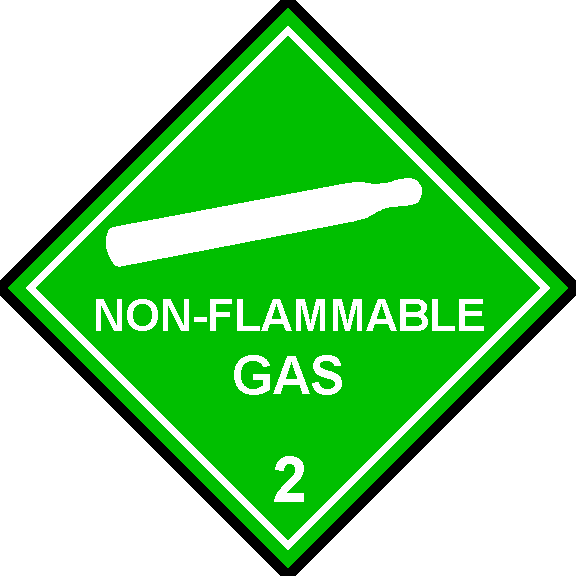 CAS # 7727-37-9 RTECS # QW9700000 ICSC # 1199 UN # 1977 |
|
TYPES OF HAZARD/ EXPOSURE |
ACUTE HAZARDS/ SYMPTOMS |
PREVENTION |
FIRST AID/ FIRE FIGHTING |
| FIRE |
Not combustible.
|
|
In case of fire in the surroundings: all extinguishing agents allowed.
|
| EXPLOSION |
|
|
|
| EXPOSURE |
|
|
|
|
|
Unconsciousness.
Weakness.
Death.
See Notes.
|
Ventilation.
Breathing protection.
|
Fresh air, rest.
Artificial respiration if indicated.
Oxygen may be beneficial if administered by a trained person on physician's advice.
Refer for medical attention.
|
|
|
ON CONTACT WITH LIQUID: FROSTBITE.
|
Cold-insulating gloves.
|
ON FROSTBITE: rinse with plenty of water, do NOT remove clothes.
Refer for medical attention.
|
|
|
Pain.
Severe deep burns.
|
Face shield
or eye protection in combination with breathing protection.
|
First rinse with plenty of water for several minutes (remove contact lenses if easily possible), then take to a doctor.
|
|
|
|
|
|
| SPILLAGE DISPOSAL | STORAGE | PACKAGING & LABELLING | ||
|
Ventilation.
NEVER direct water jet on liquid
(extra personal protection: self-contained breathing apparatus).
|
Keep in a well-ventilated room.
|
Special insulated cylinder.
UN Hazard Class: 2.2 |
||
| SEE IMPORTANT INFORMATION ON BACK | ||||
|
||||